A Debate Beyond Technology
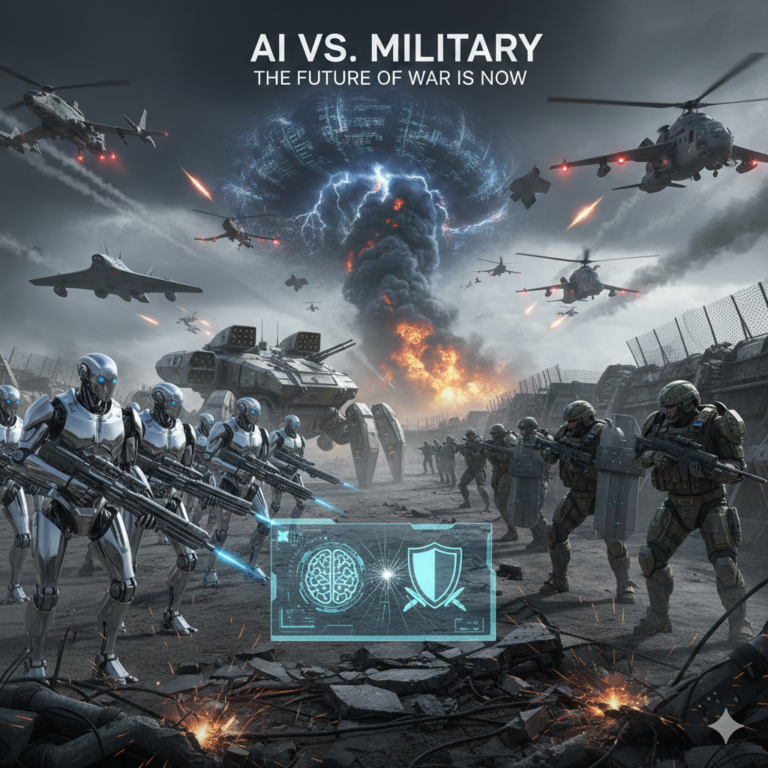
A growing disagreement between a major artificial intelligence company and the United States military is drawing global attention.
At the center of the issue is how far governments should be allowed to use advanced AI systems in defense and security operations.
On one side are defense officials who want wider access to AI tools for national security. On the other are technology leaders who say strict ethical limits are necessary to prevent misuse.
Experts believe this debate could shape how artificial intelligence is used in warfare for decades.
What the Dispute Is About
Reports indicate that the U.S. Department of Defense wants deeper integration of private AI systems into military operations. The goal is to improve decision-making, intelligence analysis and operational planning.
However, the leadership of an AI firm involved in discussions has expressed concern about two specific areas:
fully autonomous weapons targeting humans
domestic surveillance using AI analysis
The company has argued that certain boundaries should not be crossed, especially when machines could make life-and-death decisions without human oversight.
Why Militaries Want AI
Modern armed forces around the world are rapidly adopting artificial intelligence.
AI can process massive amounts of data far faster than humans.
Possible military uses include:
identifying threats from satellite images
detecting cyberattacks
predicting troop movements
managing logistics and supply chains
assisting battlefield decision-making
Supporters say these tools could reduce human error and improve national security preparedness.
The Ethical Concerns
Technology experts warn that unrestricted military use of AI could create serious risks.
Unlike traditional software, AI systems can:
analyze personal data
recognize faces
predict behavior patterns
If used without strict safeguards, critics say it could affect civil liberties and privacy. The larger concern is autonomous weapons — systems capable of selecting targets without direct human control.
Many researchers argue that humans should always remain responsible for critical decisions involving force.
Corporate Ethics vs Government Authority
The dispute highlights a broader question:
Can private technology companies limit how governments use their inventions?
Governments have legal tools and national security powers, while companies depend on contracts and regulations. Some firms are willing to cooperate fully with defense agencies, while others want ethical restrictions written into agreements.
Analysts say whichever side prevails may influence global standards for military AI.
Global Impact
The outcome will not affect just one country.
Many nations are currently developing AI-based defense systems, and international policies are still evolving.
Possible long-term effects include:
new global regulations on autonomous weapons
international agreements on AI warfare
stronger privacy protections
expanded surveillance capabilities
Experts note that artificial intelligence could become as significant to modern security as nuclear or cyber technology once was.
What Comes Next
Negotiations and policy decisions in the coming months may determine whether strict guardrails are created or whether military use expands freely.
Observers say the issue is no longer just about technology — it is about the balance between security and individual rights in an AI-driven world.
The decisions made now could influence how future conflicts are fought and how societies protect both safety and civil liberties.
❓ FAQ
1. Why is AI important for the military?
AI helps analyze data, detect threats, and assist strategic decisions faster than humans.
2. What are the main concerns?
Experts worry about autonomous weapons and surveillance affecting privacy and human rights.
3. Are countries already using AI in defense?
Yes, many nations use AI for intelligence analysis, cybersecurity and operational planning.
4. Could AI replace soldiers?
No, current discussions focus on assistance and automation, not replacing human decision-makers.
5. Why does this debate matter globally?
The rules set now could become international standards for how AI is used in future conflicts.
About the Author