In response to growing security threats and recent geopolitical developments, the Ministry of Home Affairs (MHA) has issued a directive to conduct nationwide mock drills across 244 districts on May 7, 2025. These districts have been classified under the civil defence category and are now part of a major nationwide preparedness operation.
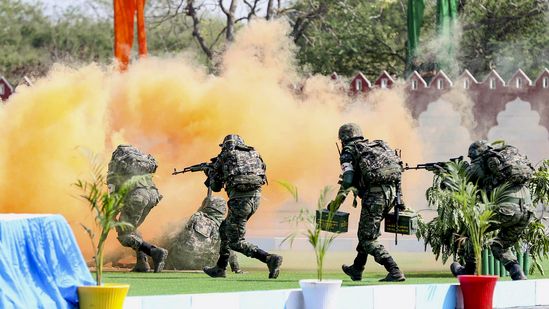
The move comes in the wake of a terror attack in Pahalgam, Jammu & Kashmir, and increased military activity in Pakistan. Here’s what you need to know.
Why Has The Government Ordered These Drills?
On April 22, India witnessed a horrifying terror attack in Pahalgam that claimed the lives of 26 people. This tragedy prompted urgent security meetings led by Prime Minister Narendra Modi, where the focus was on India’s response to escalating threats.
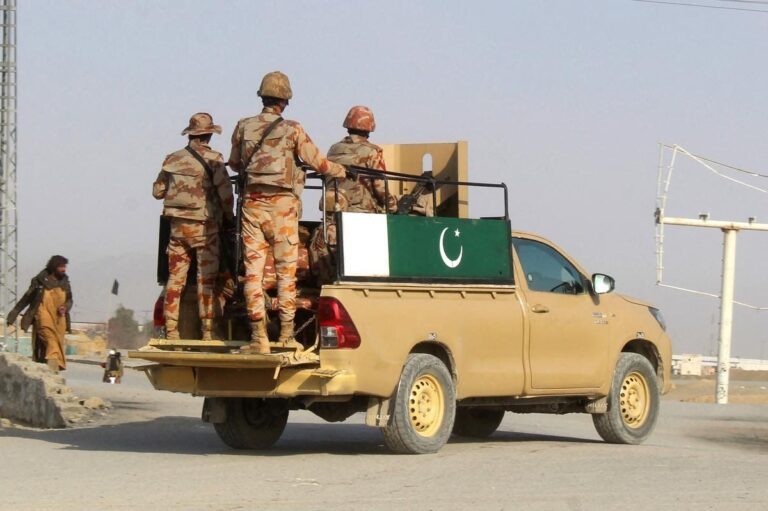
Just days later, Pakistan carried out two back-to-back missile tests under its military exercise code-named INDUS. These tests raised alarms in India’s defence circles and added tension to an already fragile border relationship.
In this high-alert environment, the MHA has stressed that “new and complex threats have emerged”, and civil defence readiness is the need of the hour.
What Will Happen During The Mock Drills?
These aren’t your regular school fire drills. The May 7 mock drill is expected to be massive, realistic, and involve multiple layers of emergency preparedness. Here’s what will be tested:
Air Raid Warning Systems: To ensure people can be alerted quickly in case of an aerial attack.
Hotline & Radio Links with the Indian Air Force: To test real-time communication between state agencies and military.
Control Room Checks: Shadow control rooms and main centres will be tested for operational efficiency.
Blackout & Camouflage Measures: Simulating real war-like conditions including hiding vital installations.
Rescue & Firefighting Drills: Immediate response testing for civilian rescue, medical aid, and firefighting.
Civilian Training: Schools, colleges, and public institutions will be taught how to act during a hostile event.
Evacuation Trials: Plans for mass evacuation will be activated and reviewed.
Every single part of the drill is focused on one thing: saving lives during emergencies.
Who Will Take Part?
This won’t be limited to just government officials. The MHA has asked for participation from a wide range of citizens and volunteers. Those involved include:
District Administrators & Local Authorities
Civil Defence Wardens & Volunteers
Home Guards (active and reserve)
NCC (National Cadet Corps) Cadets
NSS (National Service Scheme) Participants
NYKS (Nehru Yuva Kendra Sangathan) Youth Members
School & College Students
The drills will happen across urban and rural areas, reaching down to the village level. The idea is to leave no part of India unprepared.
What Does This Mean for Citizens?
If you live in any of the 244 notified districts, don’t be surprised if you see:
Mock sirens or announcements
Temporary blackouts
Road closures or detours
Emergency teams on the move
Training sessions at schools or public places
You don’t need to panic—these are drills, not real emergencies. But it’s a good opportunity to learn how to stay safe and respond better if something serious were to ever happen.
Final Thoughts
The May 7 nationwide drill is a wake-up call and a proactive step by the Indian government. It shows that civil defence is no longer just a wartime concept—it’s a daily necessity in today’s uncertain world.
As tensions rise in the region, this mock drill will test how ready India really is. And for the common citizen, it’s a chance to become more aware, more prepared, and more resilient.
About the Author