Amid rising tensions along the Line of Control (LoC) following the devastating Pahalgam terror attack, Defence Minister Rajnath Singh met Prime Minister Narendra Modi in New Delhi on Monday to review the security situation in Jammu & Kashmir. The 40-minute meeting came just hours after the Pakistan Army violated the ceasefire for the fourth consecutive day, opening fire at several Indian posts.
This crucial meeting gains significance as India explores various military options to respond to Pakistan’s alleged support for the recent attack. New Delhi has already suspended the 1960 Indus Waters Treaty, downgraded diplomatic ties, and sealed the operational Attari land border crossing.
Earlier in the day, the Jammu & Kashmir Assembly passed a unanimous resolution condemning the Pahalgam attack and vowing to uphold communal harmony. Notably, the resolution avoided direct reference to Pakistan. Chief Minister Omar Abdullah, during the discussion, made it clear he would not leverage the tragedy to demand statehood for the Union Territory, emphasizing, “I don’t want such cheap politics at this stage.”
Pahalgam Attack: A Grim Reminder of Past Militancy
On April 22, a group of heavily armed terrorists targeted tourists at Baisaran near Pahalgam, killing 26 people — most of them Hindu tourists. The attack has been described as the deadliest since the 2008 Mumbai terror strikes.
Pakistan-based terror outfit Lashkar-e-Taiba’s proxy group, The Resistance Front (TRF), claimed responsibility for the assault. Indian intelligence agencies have identified three Pakistani nationals involved, underlining Islamabad’s alleged role in orchestrating the attack, which coincided with the visit of U.S. Vice President JD Vance to India.
Prime Minister Modi, in a public statement, vowed the “harshest punishment” for those responsible and called for national unity against terrorism.
Escalating Tensions Along the LoC
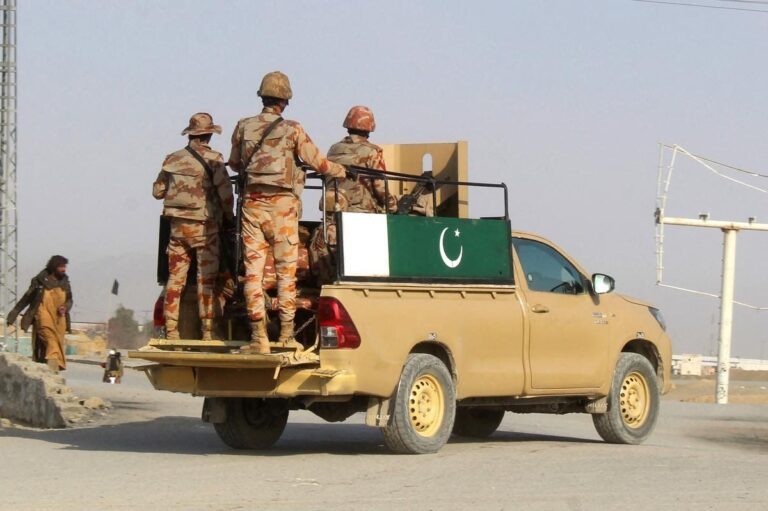
Monday saw fresh ceasefire violations in the Poonch and Kupwara sectors, with Pakistan Army expanding the conflict beyond the northern LoC regions like Uri and Tangdhar. Officials noted that Indian troops responded “swiftly and effectively” to the provocations.
The current escalation marks the most severe LoC tensions in four years. Unlike past brief skirmishes, the present hostilities involve widespread, simultaneous attacks across the 740-km LoC. Experts warn that the use of heavier artillery and broader military actions cannot be ruled out.
Pakistan has reacted with its own retaliatory measures, closing airspace for Indian airlines, suspending trade (including via third countries), and threatening to pull out of bilateral agreements such as the Simla Accord.
Abdullah Urges Unity and Responsibility
During his address in Jammu, CM Abdullah stressed the spontaneous public outrage against the attack, highlighting the people’s rejection of terrorism. “Terror and militancy can be wiped out only when people are with us,” he said.
He reiterated that while he shares the anguish of the people, he would not use the tragedy to further political goals like demanding statehood at such a sensitive time.
What Lies Ahead?
India’s security apparatus is on high alert. Rajnath Singh has reaffirmed the government’s intention to punish not only the perpetrators of the Pahalgam attack but also their handlers across the border. Analysts suggest that LoC hostilities could intensify if Pakistan continues ceasefire violations.
Despite the heavy exchange of fire, both India and Pakistan have so far stopped short of completely abandoning the February 2021 ceasefire agreement.
The situation remains volatile, with heightened security measures and global attention fixed on the region.
About the Author