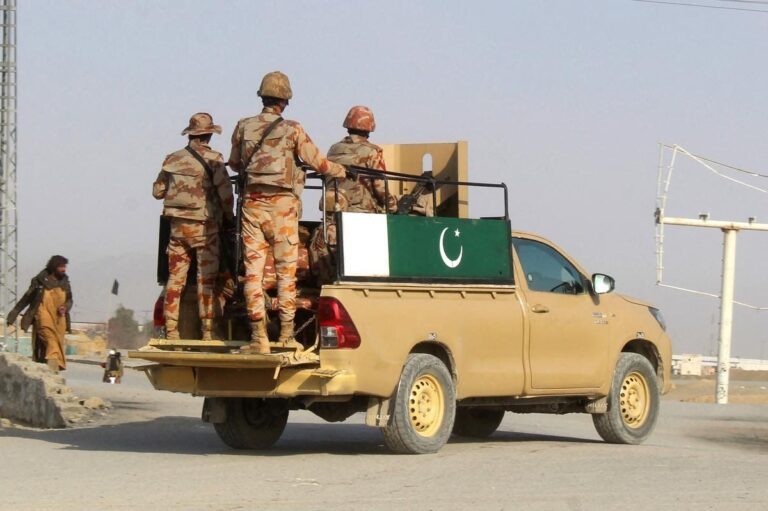
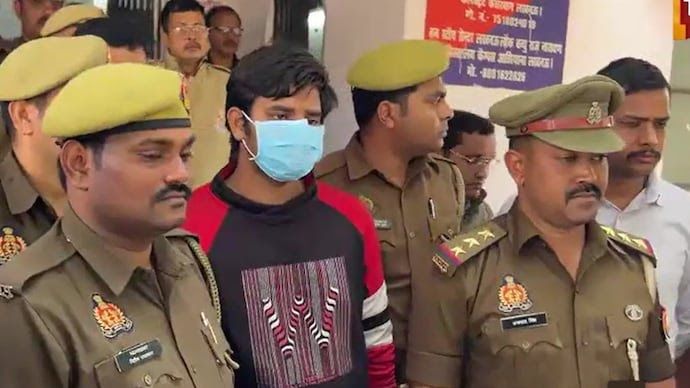
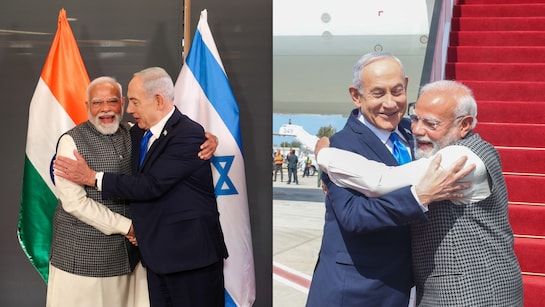
On both sides of the Line of Control (LoC) that separates Indian and Pakistani-administered Kashmir, fear is mounting. Following a deadly attack on tourists, Kashmiris are bracing for potential conflict, with many describing the atmosphere as tense and uncertain.
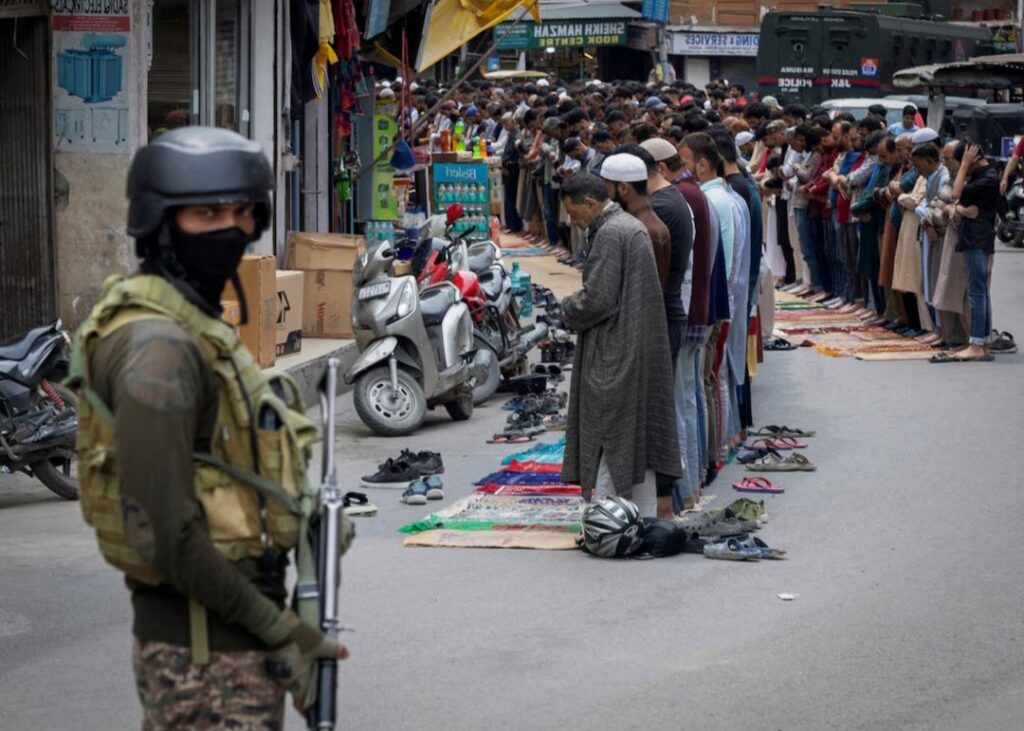
Life Under Tension in Indian-Administered Kashmir
In the Indian village of Churanda, nestled in the Himalayan foothills, schoolchildren continue their morning prayers under the watchful eyes of teachers who hope the sound of nature won’t be replaced by artillery fire.
“Fear among the parents is running high,” said Farooq Ahmad, a local teacher, after the attack that claimed the lives of 26 tourists last week.
The Indian government blames Pakistan for supporting the perpetrators, an accusation Pakistan denies. However, with both sides on high alert, locals say they’ve seen similar tensions before—but the fear never fades.
Abdul Aziz, a 25-year-old resident of Churanda, expressed deep concern:
“There are six bunkers here for 1,500 people. Both sides are issuing threats. If things escalate, where will we go?”
Over the years, at least 18 villagers have died in cross-border firing. Indian and Pakistani soldiers are visibly stationed at outposts, making the threat of violence very real.
Bunkers and Emergency Plans in Pakistani-Administered Kashmir
Across the LoC in Chakothi, residents are also preparing for the worst. Bunkers dot the landscape near homes, and people are keeping emergency supplies ready.
“People take shelter in bunkers whenever there’s firing,” said Faizan Anayat, a technician from Rawalpindi visiting his family.
Mohammad Nazir, a 73-year-old local, paused his bunker preparations to attend Friday prayers, saying:
“We’re not afraid. All our kids are ready.”
Authorities in Muzaffarabad, the capital of Pakistani-administered Kashmir, have created a 1 billion rupee ($3.5 million) emergency fund. Supplies including food, water, and medicines have been dispatched to villages near the LoC—enough to last two months.
All religious seminaries in the region were ordered closed for 10 days due to concerns about possible Indian strikes.
Relief Efforts and Civil Readiness
Rescue and civil defence teams are on high alert. Equipment has been pre-positioned to repair damaged roads quickly, and emergency services are bracing for mass migration if conflict breaks out.
Gulzar Fatima, head of the Pakistan Red Crescent’s Kashmir division, confirmed their readiness:
“We’ve mobilized supplies and staff. Camps are being prepared for at least 500 families with tents, hygiene kits, and cooking gear.”
Conclusion
As diplomatic relations remain strained, ordinary Kashmiris continue to live in a state of anxiety—preparing shelters, stockpiling essentials, and hoping for peace.
About the Author