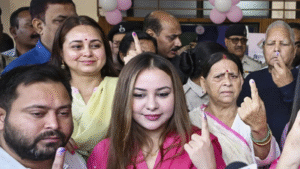
The first phase of the Bihar Assembly Elections 2025 concluded with a 57.9% voter turnout in Patna district, marking a strong rise from 51.1% in 2020. The polling day witnessed an inspiring mix of young first-time voters and senior citizens coming together to make their voices heard for jobs, development, and accountability.
🔹 Higher Turnout Across Key Constituencies
Digha recorded a 41.4% turnout, up from 36.86% in 2020.
Bankipur saw 40.97%, compared to 35.85% last time.
Kumhrar reported 39.57%, rising from 35.22%.
The biggest leap came from Patna Sahib, where 59.93% of voters cast their ballots, up from 52.22% in the previous election.
Despite minor logistical hiccups, voting remained largely peaceful throughout the day.
🗣️ Voices from the Ground
Many young voters expressed hope for a better future and stronger governance.
“I voted for better education and job opportunities,” said Sarita Kumari (20), a first-time voter from Shastri Nagar, proudly displaying her inked finger.
Another young voter, K. P. Mishra (19) from Ashiana, shared,
“Bihar has changed a lot over the years. I feel proud to be part of this new chapter.”
Older voters echoed similar sentiments, focusing on employment and infrastructure.
“We have waited too long for real change—jobs for youth, better roads, and reliable power supply,” said Sharad Kumar (55) at a Gulzarbagh polling station.
⚠️ Minor Glitch, Peaceful Voting Overall
A brief protest broke out at a polling booth in the Veterinary College area, where two women alleged they were denied their right to vote. District Magistrate Thiyagrajan S. M. clarified that the issue was due to a technical glitch and was resolved quickly.
“No major issues were reported from any polling booth. Voting went off peacefully,” he said.
🌟 The Bigger Picture
The rising voter turnout in Patna reflects a growing political awareness among citizens. With young voters prioritizing education, employment, and transparency, and older generations seeking development and stability, the 2025 Bihar elections could mark a turning point for the state’s political landscape.
About the Author